
Fume Hood Safety: Best Practices for Laboratory Protection
Fume hood safety encompasses the operating procedures, maintenance practices, and design considerations that ensure laboratory fume hoods effectively protect users from hazardous chemical vapors, fumes, and particulates. Proper fume hood use is one of the most critical safety practices in any laboratory handling volatile or toxic materials.
Why Fume Hood Safety Matters
A fume hood is only as safe as the person using it. Even the best-designed containment system fails when operators ignore proper procedures, block airflow, or neglect routine checks. Understanding fume hood safety isn't optional—it's the difference between a protected workspace and an exposure incident.
Every year, laboratory incidents involving chemical exposure remind us why fume hood safety protocols exist. These events often trace back to simple mistakes: working with the sash too high, overcrowding the work area, or assuming the hood is functioning without verification.
The reality is straightforward: fume hoods protect people only when used correctly. This guide covers the essential practices that keep laboratory personnel safe.
Understanding How Fume Hoods Protect You
Before diving into safety practices, it helps to understand what a fume hood actually does. A fume hood creates a controlled airflow pattern that captures hazardous vapors and particles at the source—before they reach your breathing zone.
The Airflow Principle
Air enters the hood through the sash opening, sweeps across the work surface, and exits through baffles at the rear of the hood. This continuous airflow creates a barrier between you and the chemicals inside.
Key airflow concepts:
- Face velocity measures how fast air moves into the hood opening
- Containment refers to the hood's ability to keep contaminants inside
- Turbulence can disrupt airflow and pull vapors toward the operator
- Room air currents from doors, windows, and HVAC affect hood performance
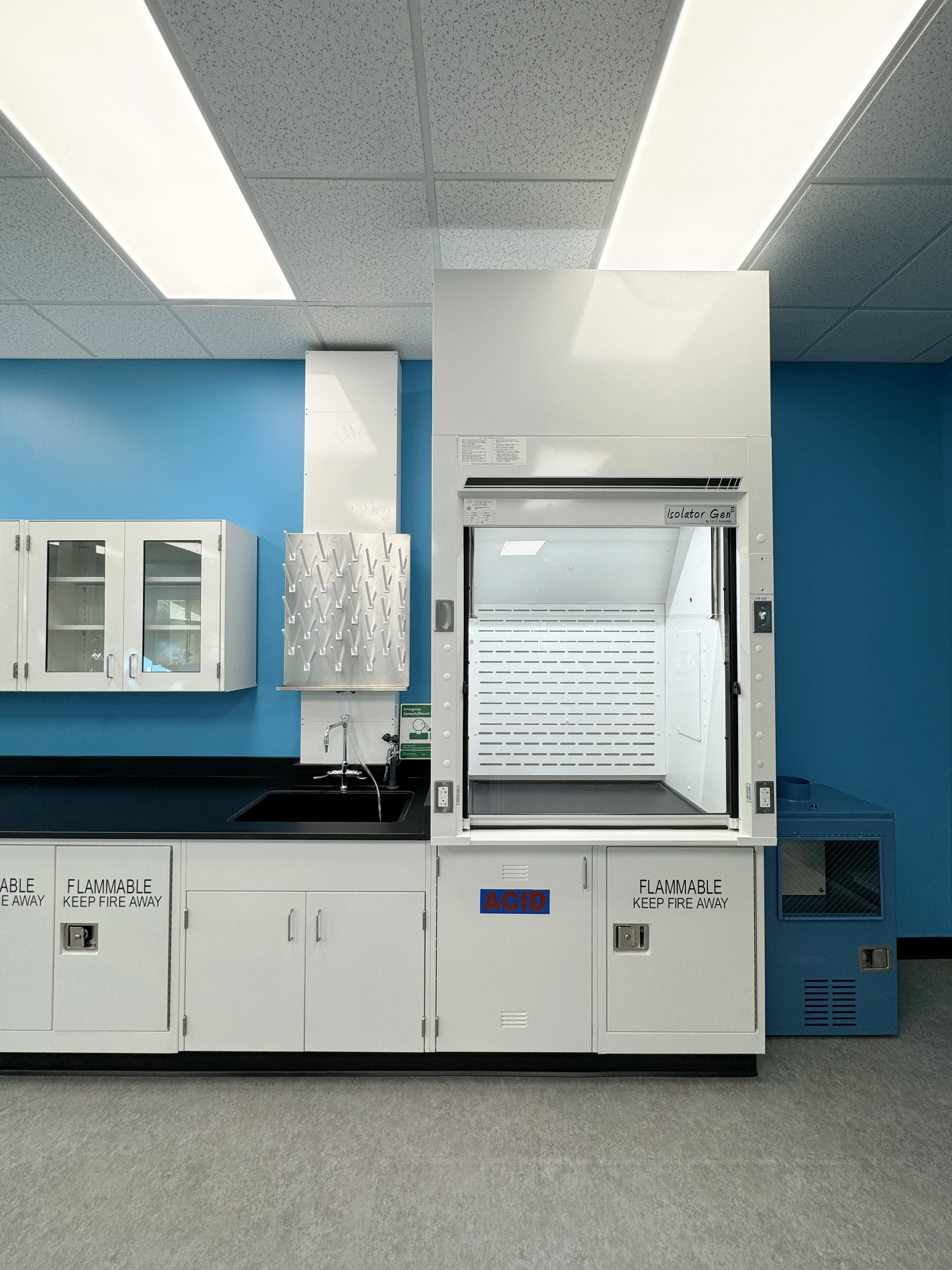
The ICI Isolator fume hood achieves containment levels 50 times better than ACGIH recommendations through advanced baffle design and optimized airflow patterns. Learn more about performance specifications in the ICI Isolator product information.
Essential Sash Safety Practices
The sash—the movable glass barrier at the front of the hood—is your primary interface with fume hood safety. How you position and use the sash directly impacts containment performance.
Keep the Sash as Low as Practical
Lower sash = better protection. The sash serves two critical functions: it reduces the opening that air must enter (improving face velocity) and provides a physical barrier between you and the work.
Best practices for sash positioning:
- Work with the sash at or below the indicated maximum operating height
- Lower the sash when not actively manipulating materials
- Close the sash completely when the hood is unattended
- Never remove your head or upper body inside the hood
The Sash Height Arrow Matters
Most fume hoods include a sash height indicator—typically an arrow marking the maximum safe operating position. This isn't a suggestion. The hood's face velocity was calibrated at this height, and exceeding it compromises containment.

Proper Work Practices Inside the Hood
What happens inside the fume hood matters as much as sash positioning. Poor work practices can defeat even the best containment system.
Keep Work at Least 6 Inches Inside
The area just inside the sash opening experiences the most turbulent airflow. Chemicals placed too close to the front are more likely to escape containment.
The 6-inch rule: Keep all chemical operations at least 6 inches behind the sash plane. This positions your work in the stable airflow zone where containment is most effective.
Avoid Overcrowding the Hood
Cluttered hoods don't work properly. Equipment and containers create obstacles that disrupt airflow patterns and reduce containment effectiveness.
Keep the hood organized:
- Remove unnecessary equipment and supplies
- Position equipment to avoid blocking rear baffles
- Elevate large equipment on jack stands to maintain airflow underneath
- Store chemicals in appropriate cabinets, not inside the hood
Never Use the Hood for Chemical Storage
Fume hoods are ventilation devices, not storage cabinets. Storing chemicals inside the hood reduces workspace, blocks airflow, and creates unnecessary exposure risks during routine work.
Airflow Verification and Monitoring
You can't see airflow, but you can verify it's working. Never assume a fume hood is functioning—check before every use.
Visual Indicators and Alarms
Most modern fume hoods include airflow monitors that display face velocity or provide visual/audible alarms when airflow drops below safe levels.
Before starting work:
- Check the airflow monitor for normal readings
- Verify no alarm conditions are present
- Listen for the exhaust fan—silence indicates a problem
- Report any abnormalities before using the hood
The Tissue Test
A simple field test: hold a tissue or lightweight material at the sash opening. It should be drawn firmly into the hood. If it flutters weakly or blows outward, the hood may not be functioning properly.
Chemical-Specific Safety Considerations
Different chemicals create different hazards. Fume hood safety practices should account for the specific materials being used.
Volatile Organic Compounds (VOCs)
VOCs evaporate rapidly and can quickly reach hazardous concentrations. Work with these materials requires consistent sash discipline and avoiding any actions that generate unnecessary vapor.
Corrosive Materials
Acids and bases attack hood components over time. Ensure your hood liner is compatible with the corrosives you're using. ICI Isolator hoods feature stainless steel airfoils and chemical-resistant construction that withstands aggressive materials.
Flammable Solvents
Flammable materials require additional precautions beyond standard fume hood use. Ensure ignition sources are eliminated, quantities are minimized, and appropriate fire suppression is available.
Highly Toxic Materials
When working with highly toxic substances, consider whether a standard fume hood provides adequate protection or whether specialized containment is required.
Emergency Procedures
Knowing what to do when something goes wrong is as important as knowing how to work safely.
Chemical Spills Inside the Hood
For small spills:
- Lower the sash to contain vapors
- Use appropriate absorbent materials
- Dispose of waste according to your facility's protocols
- Clean and decontaminate the work surface
For large spills or unknown materials:
- Lower the sash completely
- Evacuate the immediate area
- Alert others and contact your safety office
- Do not attempt cleanup without proper guidance
Hood Malfunction
If the airflow monitor alarms, the fan stops, or you notice reduced airflow:
- Stop work immediately
- Lower the sash completely
- Cap or seal open containers if safe to do so
- Leave the area and report the malfunction
- Do not resume work until the hood is repaired and verified
Fire Inside the Hood
Fume hoods are designed to contain small fires. If a fire occurs:
- Lower the sash to starve the fire of oxygen
- Activate the fire alarm if not automatic
- Use appropriate extinguisher only if trained and safe to do so
- Evacuate and allow emergency responders to handle larger fires
Maintenance and Inspection
Fume hoods require regular maintenance to maintain safe operation. Users should understand what maintenance looks like and report problems promptly.
Annual Certification
Most facilities require annual fume hood testing and certification. This process verifies face velocity, containment performance, and alarm function. Hoods that fail certification must be repaired before use.
User Responsibilities
Before each use:
- Check for visible damage to sash, liner, or baffles
- Verify airflow indicator shows normal operation
- Ensure the work surface is clean and unobstructed
Report immediately:
- Unusual noises or vibrations
- Visible damage or corrosion
- Alarm conditions or reduced airflow
- Sash operation problems
The Value of Quality Construction
Well-built fume hoods require less maintenance and provide more reliable protection. ICI Isolator fume hoods feature structural pan construction that allows liner replacement without deconstructing the hood, chain-and-sprocket sash drives tested to over 1 million cycles, and tempered glass that resists heat and impact.
Quality construction isn't just about durability—it's about maintaining safety performance over the hood's entire service life. Explore ICI's approach to fume hood design at ICI Isolator Fume Hoods.
Training and Competency
Fume hood safety isn't intuitive. Proper training ensures everyone understands the equipment and procedures that protect them.
Initial Training
Before using fume hoods, personnel should receive training covering:
- Basic fume hood operation and principles
- Proper sash positioning and work practices
- Airflow verification procedures
- Emergency response protocols
- Chemical-specific hazards relevant to their work
Ongoing Competency
Safety training isn't one-and-done. Regular refreshers, updated procedures, and lessons learned from incidents keep safety knowledge current.
ICI Scientific offers AIA-accredited continuing education courses on fume hood safety and laboratory design. These programs help architects, facility managers, and laboratory personnel understand both the equipment and the practices that keep labs safe. Learn more at ICI Training Programs.
Design Considerations That Impact Safety
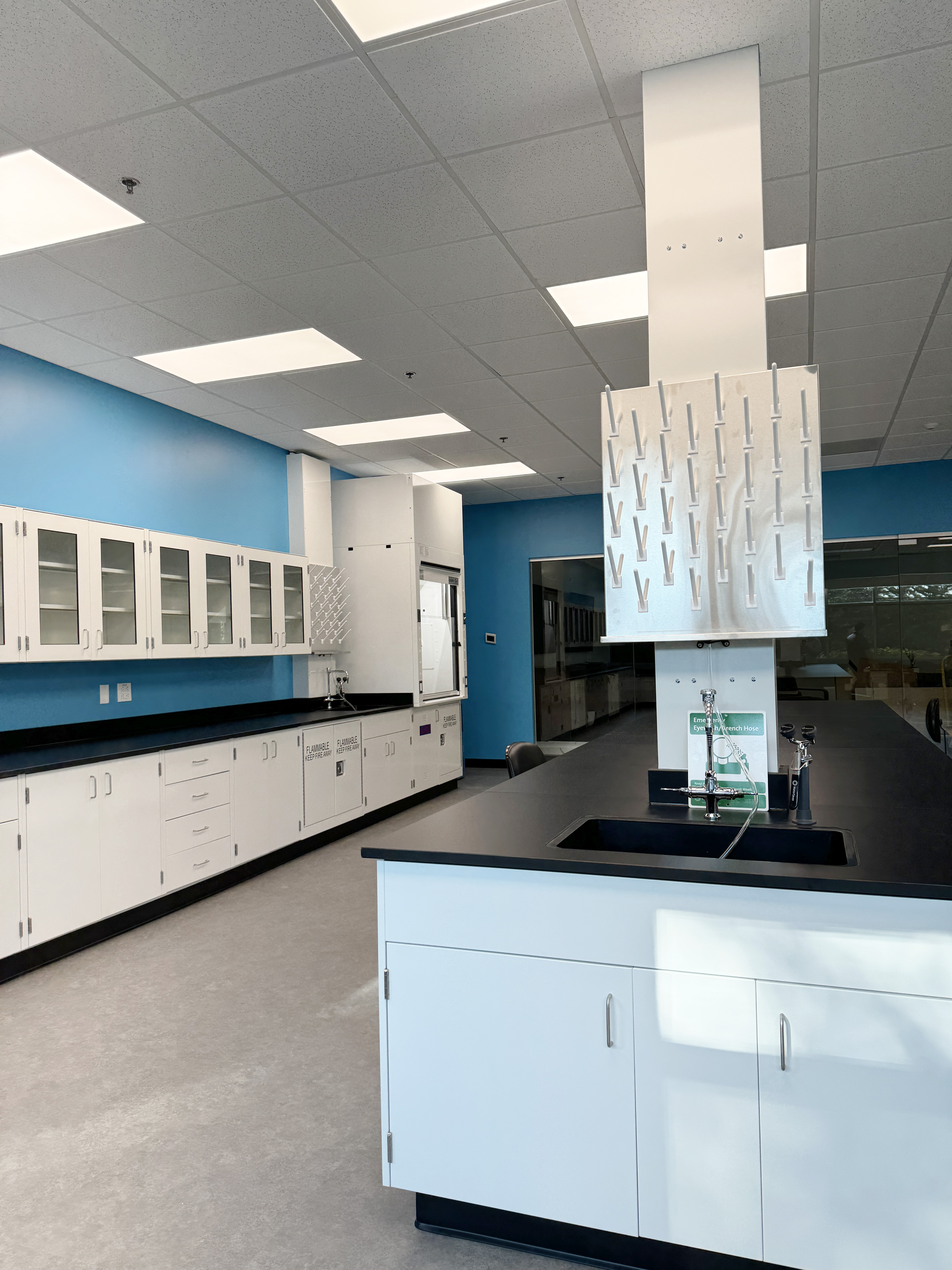
Fume hood safety begins long before anyone starts working. Proper design, placement, and installation create the foundation for safe operation.
Hood Placement
Fume hoods should be located away from:
- High-traffic areas that create air turbulence
- Doors that swing open near the hood face
- HVAC supply diffusers that blow toward the hood
- Windows that introduce cross-drafts
Room Air Balance
The room's HVAC system must provide adequate makeup air to replace what the hood exhausts. Negative pressure or inadequate supply air compromises containment.
Integration With Laboratory Systems
Fume hoods work best as part of a coordinated laboratory system. Proper casework placement, work surface selection, and utility routing all contribute to a safe, functional workspace.
ICI Scientific designs complete laboratory systems—fume hoods, casework, and work surfaces—engineered to work together. See examples in the ICI Project Portfolio.
Building a Culture of Fume Hood Safety
Equipment and procedures matter, but culture determines whether they're actually followed. Safe laboratories prioritize fume hood safety at every level.
Elements of a strong safety culture:
- Leadership that models and enforces safe practices
- Clear expectations and accountability
- Open reporting of problems and near-misses
- Regular review and improvement of procedures
- Investment in quality equipment and proper maintenance
Fume hood safety isn't just about individual behavior—it's about creating an environment where safe work is the norm, not the exception.
Frequently Asked Questions
How often should fume hoods be tested?
Fume hoods should be tested and certified at least annually, and whenever they are moved, modified, or performance is questioned. Some facilities require more frequent testing based on their safety policies or regulatory requirements.
What is the proper sash height for fume hood work?
Work with the sash at or below the maximum operating height indicated by the sash arrow or sticker. This is typically 18 inches or less, but varies by hood. Lower the sash further whenever practical for additional protection.
Can I store chemicals inside the fume hood?
No. Fume hoods are ventilation devices, not storage cabinets. Store chemicals in appropriate chemical storage cabinets. Only keep materials actively needed for current work inside the hood.
What should I do if the fume hood alarm sounds?
Stop work immediately, lower the sash completely, cap open containers if safe to do so, and evacuate the area. Report the alarm to your supervisor and facilities/safety personnel. Do not resume work until the hood is inspected and cleared.
How do I know if my fume hood is working properly?
Check the airflow monitor before each use. Perform a visual check for damage. The tissue test provides a quick field verification—a tissue held at the sash opening should be drawn firmly into the hood. If anything seems abnormal, report it and do not use the hood until it's verified safe.
For more guidance on fume hood selection, installation, and safe operation, explore resources at ICI Scientific or contact their team through the dealer locator.


