
ICI Scientific / Ideas & insights
The Hidden Revenue Killer: How Laboratory Lighting Specifications Drive Casework Sales and Slash Project Delays
73% of laboratory renovation projects exceed budget due to lighting compliance issues discovered late. Learn how smart casework dealers leverage proper lighting specifications as a competitive weapon to accelerate sales, increase margins, and win more business.
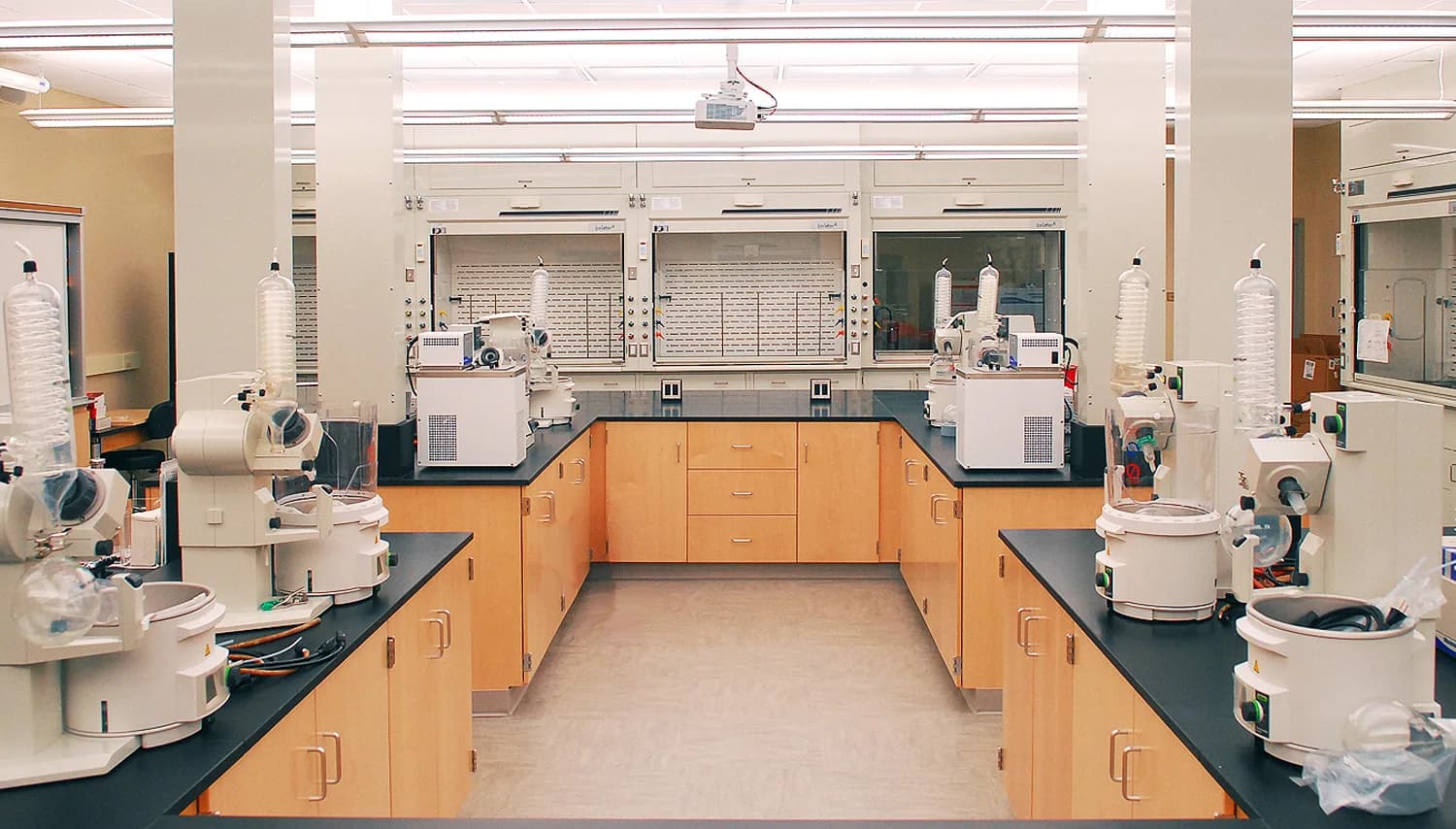
The $50,000 Question Every Lab Project Manager Asks
Here’s what happens in most laboratory projects: The casework gets designed. The budget gets approved. Installation begins. Then someone realizes the lighting doesn’t meet laboratory standards, and everything stops.
Suddenly, you’re dealing with change orders, delayed installations, and frustrated clients who question your expertise. The project that should have showcased your capabilities becomes a case study in poor planning.
“Quality is never an accident. It is always the result of intelligent effort,” as John Ruskin noted. In laboratory casework, that intelligent effort starts with understanding how lighting specifications directly impact your bottom line.
Why Lighting Specifications Are Your Secret Sales Weapon
Smart casework dealers don’t just sell cabinets and work surfaces. They sell complete laboratory solutions. When you lead with proper lighting specifications, three things happen immediately:
You establish technical credibility. Clients recognize you understand laboratory operations beyond basic casework installation. This positions you as a strategic partner, not just a vendor.
You eliminate costly delays. By addressing lighting requirements upfront, you prevent the compliance issues that derail 73% of laboratory renovations. Your projects finish on time while competitors deal with change orders.
You increase project value. Integrated lighting solutions command higher margins than standalone casework sales. More importantly, they create sticky client relationships that generate repeat business.
The Technical Standards That Drive Revenue
Laboratory lighting isn’t negotiable. It’s governed by strict specifications that impact everything from research accuracy to worker safety.
Color Temperature: The 4000K–5000K Sweet Spot
Laboratories require cool, daylight-simulating illumination between 4000K and 5000K. This isn’t arbitrary—it’s essential for accurate color perception and reduced eye strain during detailed work. When you specify lighting in this range during the casework design phase, you’re solving a problem your client might not even realize they have.
Illumination Levels: Meeting the 50–70 Foot Candle Standard
General laboratory areas require 50–70 foot candles of illumination. Specialized work areas often need more. These aren’t suggestions—they’re requirements that impact everything from insurance coverage to regulatory compliance. Poor lighting accounts for 68% of workplace eye strain complaints in laboratory environments, according to OSHA.
LED Technology: The Clear Winner
LED technology has become the preferred choice for laboratory applications due to its longevity and safety advantages. Energy-efficient lighting can reduce laboratory operating costs by up to 30%, according to the U.S. Department of Energy. Positioning LED integration as part of your casework solution offers clients immediate operational savings that justify higher upfront investments.
How Lighting Drives Casework Design Decisions
Under-Cabinet Integration
Properly specified under-cabinet lighting eliminates shadows on work surfaces while creating clean, professional aesthetics. This integration requires careful coordination between casework dimensions and lighting placement, giving you more touchpoints in the design process.
Overhead Fixture Coordination
Laboratory casework must coordinate with overhead lighting to prevent shadows and ensure even illumination. When you control both elements, you can optimize the entire workspace while preventing the conflicts that cause project delays.
Emergency Lighting Compliance
Laboratory casework often houses critical equipment that requires emergency lighting backup. Understanding these requirements during the design phase prevents expensive retrofits and positions you as the expert who thinks ahead.
The Revenue Impact of Getting Lighting Right
Faster sales cycles. Clients recognize comprehensive expertise and move forward with confidence. No more waiting for separate lighting consultants or dealing with coordination delays.
Higher project margins. Integrated solutions command premium pricing while reducing the competitive pressure that comes with commodity casework sales.
Reduced project risk. Proper planning eliminates the change orders and delays that eat into margins and damage client relationships.
Increased referral potential. Projects that finish on time and on budget generate the word-of-mouth marketing that drives sustainable growth.
The Competitive Advantage Framework
Phase 1: Technical Mastery
Learn the lighting requirements for different laboratory types. Understand how color temperature, illumination levels, and fixture placement impact casework design. This knowledge becomes your differentiation in initial client meetings.
Phase 2: Solution Integration
Develop standardized approaches that integrate lighting with casework design. Create templates and specifications that streamline the proposal process while ensuring compliance.
Phase 3: Value Communication
Position lighting integration as operational optimization, not technical compliance. Focus on productivity improvements, energy savings, and reduced maintenance costs rather than foot candles and color temperatures.
Implementation Strategy for Immediate Results
Start with your next three proposals. Instead of just specifying casework, include lighting recommendations that complement your design. Show clients how proper illumination enhances functionality while ensuring compliance.
Create simple comparison charts demonstrating the cost of fixing lighting problems after installation versus addressing them upfront. Use the 73% statistic to emphasize the risk of poor planning. Develop relationships with lighting suppliers who understand laboratory requirements—this gives you technical backup while creating additional revenue streams.
The Bottom Line
Laboratory lighting specifications aren’t just technical requirements—they’re business opportunities. When you understand how proper illumination impacts casework design and installation, you transform from a vendor into a strategic partner.
Your competitors are still selling cabinets. You’re selling complete laboratory solutions that work better, install faster, and generate higher margins. That’s not just better business—it’s sustainable competitive advantage.
Start with lighting specifications. Win with comprehensive expertise. Scale with systematic approaches that turn technical knowledge into revenue growth.